




How do I protect the surface of a customizable welding table?
Sep 11, 2026
Leave a message
As a supplier of customizable welding tables, I understand the importance of protecting the surface of these essential tools. A well-maintained welding table surface not only extends the lifespan of the table but also ensures high-quality welding results. In this blog, I'll share some effective strategies for protecting the surface of a customizable welding table.
Understanding the Risks to Welding Table Surfaces
Before delving into protection methods, it's crucial to recognize the potential threats to a welding table's surface. Welding involves high temperatures, sparks, and molten metal, all of which can cause damage. High - heat exposure can warp the table surface, while sparks and molten metal can create pits and scratches. Additionally, corrosive substances used in the welding process or the environment where the table is placed can lead to rust and corrosion over time.
Choosing the Right Material
The first step in protecting the surface of a customizable welding table is to select the appropriate material during the customization process. Different materials have varying levels of resistance to heat, sparks, and corrosion. For example, cast iron is a popular choice due to its high heat - resistance and durability. It can withstand the intense heat generated during welding without significant warping. Stainless steel is another excellent option. It not only resists heat but also offers superior corrosion resistance, making it suitable for environments where moisture or chemicals are present.
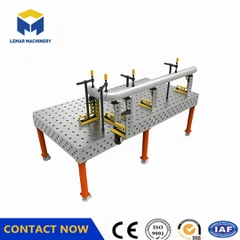
We offer a variety of customizable welding tables crafted from top - quality materials. Our Three Dimensional Flexible Welding Platform is designed with high - grade steel that provides both flexibility and surface protection.
Applying Surface Coatings
Surface coatings can significantly enhance the protection of a welding table. One common coating is high - temperature paint. This type of paint is formulated to withstand extreme heat and can act as a barrier between the table surface and the intense heat of welding. It also helps prevent rust and corrosion by sealing the surface from moisture and oxygen.
Ceramic coatings are another option. They are extremely hard and heat - resistant. Ceramic coatings can protect the table from scratches, abrasions, and high - temperature damage. They also make it easier to clean the table surface after welding, as debris is less likely to stick.
Using Heat - Resistant Mats and Shields
Heat - resistant mats are an effective way to protect the welding table's surface. These mats are placed directly on the table where the welding will take place. They absorb most of the heat, sparks, and molten metal, preventing them from coming into direct contact with the table surface. Made from materials like asbestos - free fiberglass or silicone, these mats are designed to withstand high temperatures.
In addition to mats, welding shields can be used. Shields are typically made of heat - resistant materials such as acrylic or polycarbonate. They can be placed around the welding area to protect the surrounding table surface from sparks and splatter.
Proper Cleaning and Maintenance
Regular cleaning and maintenance are essential for protecting the surface of a welding table. After each welding session, it's important to remove any debris, such as slag, spatter, or loose metal particles. A wire brush can be used to gently scrub the surface and remove stubborn debris.
For more thorough cleaning, a mild detergent and water can be used. However, it's important to dry the table completely after cleaning to prevent rusting. Applying a thin layer of oil or wax to the table surface can also help protect it from corrosion and make it easier to clean in the future.
Avoiding Overloading and Improper Use
Overloading the welding table or using it in an improper manner can cause damage to the surface. Each welding table has a specified weight capacity, and exceeding this capacity can lead to warping or bending of the table surface.
It's also important to use the table for its intended purpose. For example, do not use the table as a cutting surface for tools that can scratch or gouge the surface. Our Welding Fixture Platform is designed for specific welding applications, and following the usage guidelines will help protect its surface.


Investing in Quality Accessories
Using high - quality accessories can also contribute to the protection of the welding table surface. For example, using high - quality clamps and fixtures can prevent movement of the workpieces during welding, reducing the risk of scratches. Additionally, using a welding cart to transport the table and workpieces can prevent damage to the table surface during transportation.
Our Welding Table With Welding Fit Up Kit comes with all the necessary accessories that are designed to work in harmony with the table, minimizing the risk of surface damage.
Regular Inspections
Lastly, conducting regular inspections of the welding table surface is crucial. Check for signs of wear, such as scratches, pits, or rust. If any damage is detected early, it can be addressed promptly to prevent further deterioration. Small scratches can be smoothed out and repainted, while more significant damage may require professional repair.
In conclusion, protecting the surface of a customizable welding table involves a combination of proper material selection, surface coatings, the use of protective mats and shields, regular cleaning and maintenance, avoiding overloading and improper use, investing in quality accessories, and regular inspections. By implementing these strategies, you can ensure that your welding table remains in top condition for years to come.
If you're interested in our customizable welding tables, including the D28 Flexible 3D Welding Table and Metal Fab Welding Table, we invite you to contact us for more information and to discuss your specific requirements. We're committed to providing you with high - quality products and excellent customer service.
Send Inquiry